Learn the meanings of the full moons & the inspiration for moon water mist.
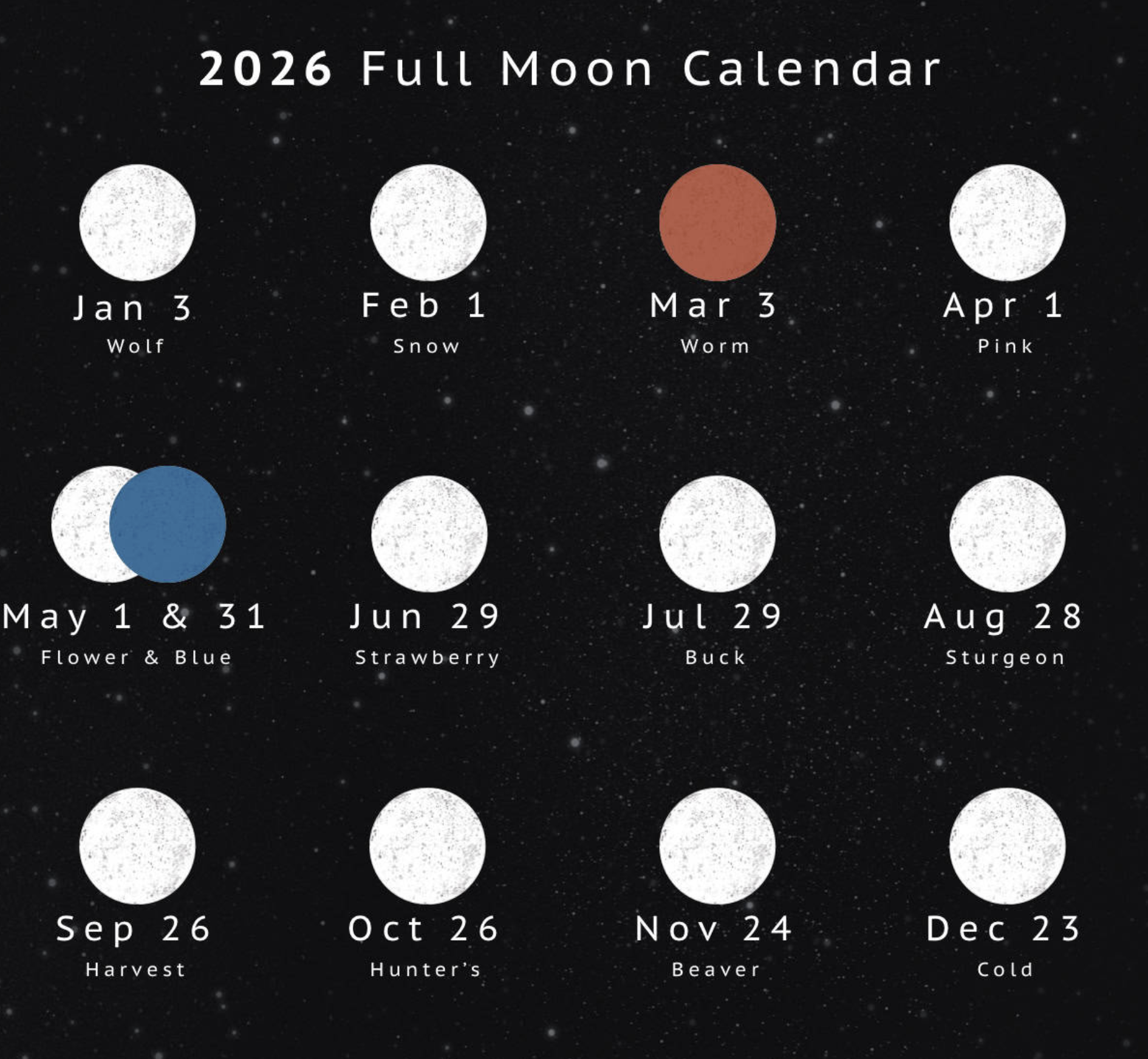
March’s Worm Moon
Learn about the full moon in March: March’s Worm Moon
Full Moon in March
March’s full moon globally marks a threshold, a turning point between seasons where balance, change, and intention intersect.
Northern Hemisphere - Worm Moon
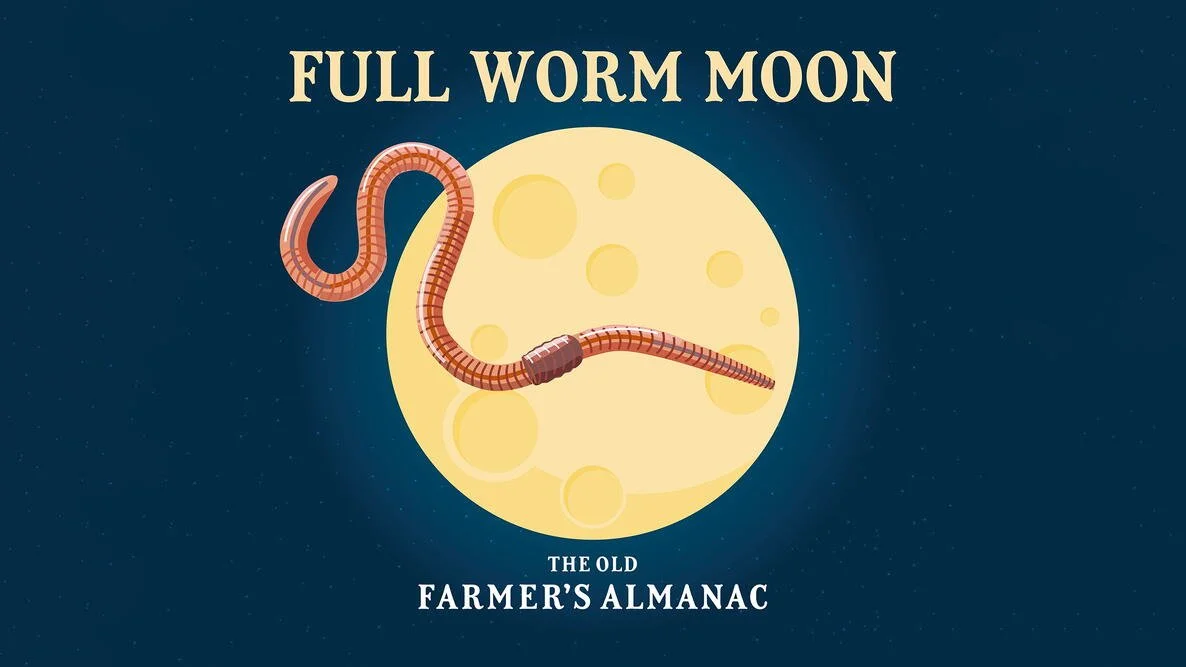
In the Northern Hemisphere, March’s full moon is commonly called the Worm Moon, named for the reappearance of earthworms as soil thaws and spring begins. It represents awakening, renewal, and forward movement after winter stillness.
Southern Hemisphere - Early Autumn Moon
In the Southern Hemisphere, March signals the start of autumn and includes the March equinox, when day and night are nearly equal. This season emphasizes balance, harvest, and gradual inward transition, rather than new growth.
Our March Moon Water Mist supports transition and clarity, helping you align with change.
February’s Snow Moon
Learn about the full moon in February: February’s Snow Moon
Full Moon in February
Across the world, February’s full moon reflects endurance and integration. This is a moment of sustaining energy through intensity, whether that intensity comes from cold, heat, or culmination.
Northern Hemisphere — Snow Moon
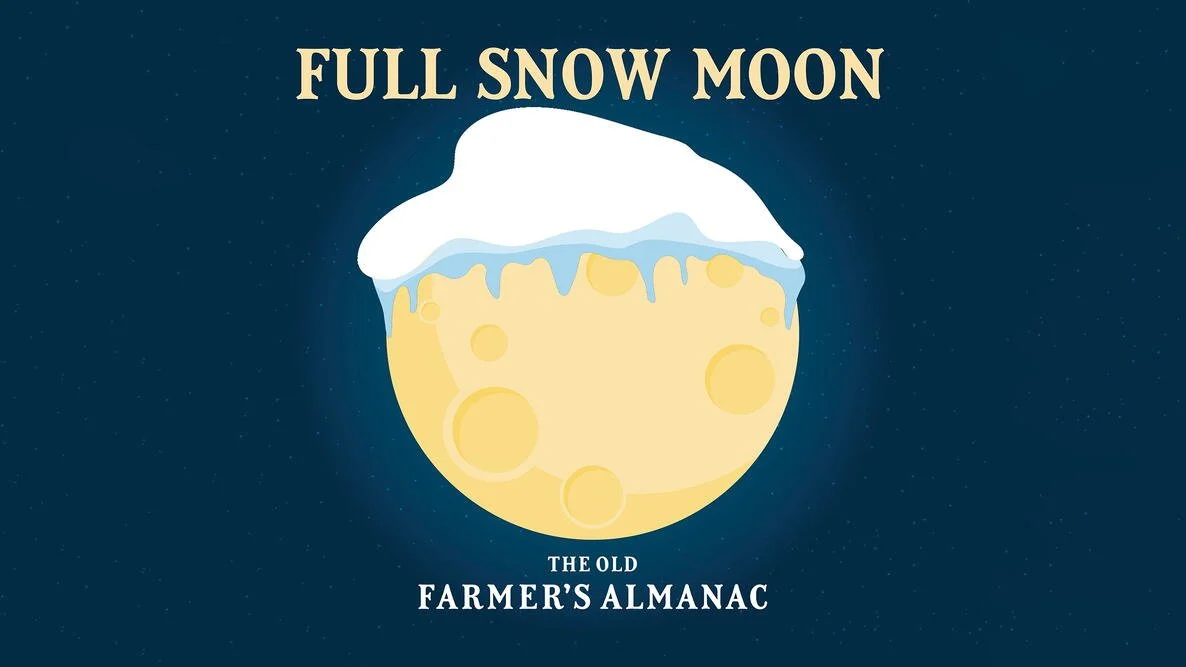
In the Northern Hemisphere, February’s full moon is traditionally known as the Snow Moon, named for the heavy snowfall typical of this time of year. It symbolizes resilience, purification, and quiet persistence, as winter continues but daylight slowly begins to return.
Southern Hemisphere — Late Summer Moon
In the Southern Hemisphere, February falls in late summer, a period associated with ripening, heat, and consolidation rather than dormancy. Ecologically and culturally, this season emphasizes harvest, maturity, and sustained vitality as peak summer energy begins to taper.
Our February Moon Water Mist is designed to support stamina and balance, helping you stay grounded through intensity wherever you are in the world.
January’s Wolf Moon
Learn about the full moon in January: January’s Wolf Moon
Full Moon in January
In some Native American naming traditions, the January moon is associated with endurance through the dead of winter (in northern regions), while in other cultures it may celebrate growth and abundance in warmer climates.
Northern Hemisphere - Wolf Moon
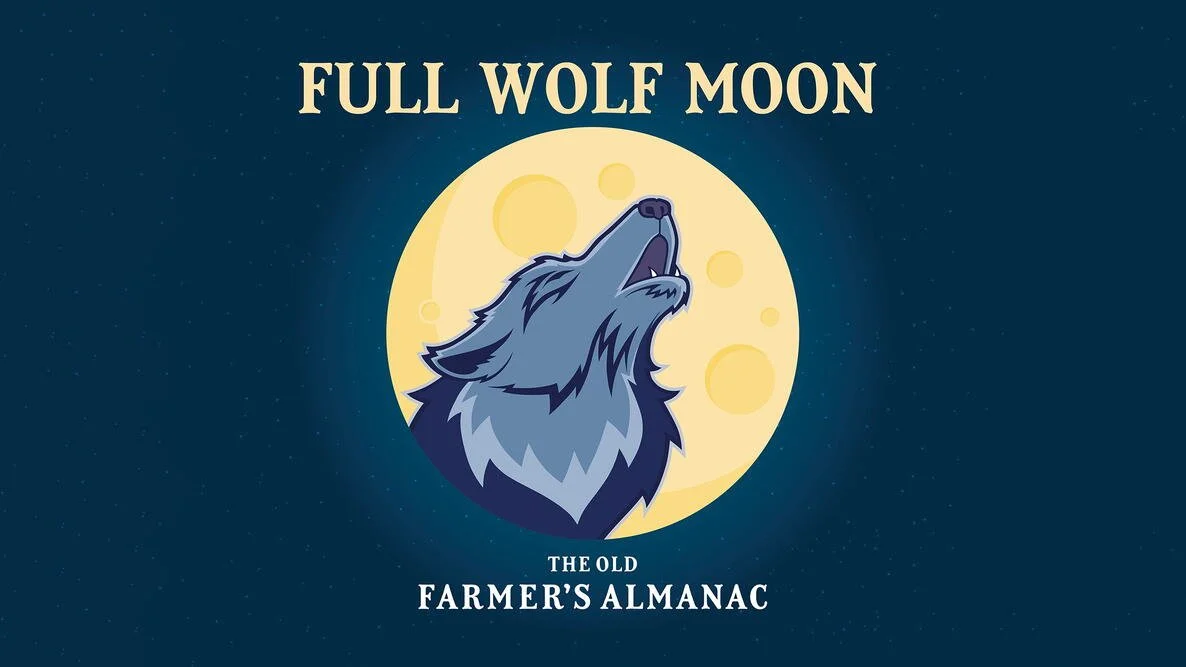
January’s full moon is commonly called the Wolf Moon, a name that comes from northern folklore about wolves howling more frequently during winter nights. It evokes themes of intuition, inner strength, survival, and emotional clarity. Other historical names include Stay Home Moon, Quiet Moon, and Moon After Yule in Anglo-Saxon and Celtic traditions.
Southern Hemisphere - Thunder Moon
In the Southern Hemisphere, January occurs in mid-summer. Traditional Southern Hemisphere lunar names include Thunder Moon, Mead Moon, Hay Moon, or Buck Moon, reflecting summer storms, harvest grasses, and abundant ecosystem activity.
Our January Moon Water Mist supports strength and renewal. Harness the introspective energy of the season to help you define intentions and prepare for the year ahead.
December’s Solstice Moon
Learn about the full moon in December: December’s Solstice Moon
Full Moon in December
Across hemispheres, December’s moon represents a turning point either toward quiet preservation or full illumination, inviting clarity, balance, and conscious transition into the next cycle.
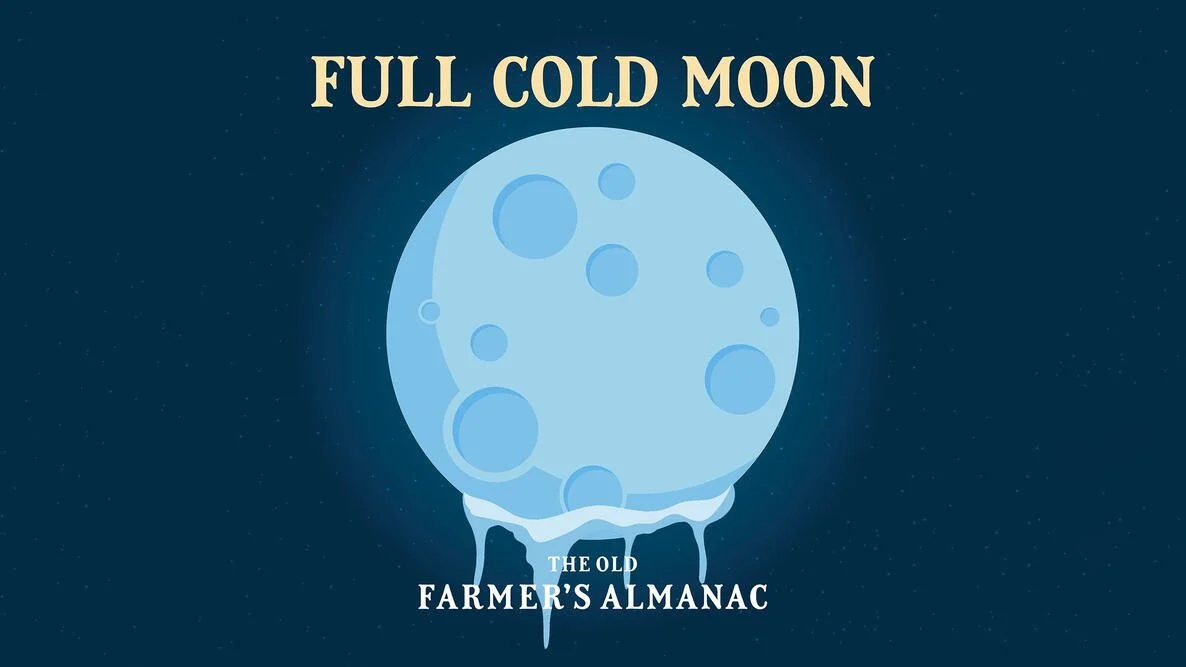
Northern Hemisphere - Cold Moon
In the Northern Hemisphere, December’s full moon is traditionally known as the Cold Moon, reflecting the coldest period of the year and the longest nights. It is associated with endurance, stillness, and reflection, as communities historically prepared for deep winter.
Southern Hemisphere - Solstice Moon
In the Southern Hemisphere, December marks early summer and includes the December solstice, when daylight reaches its longest duration of the year. Rather than inward rest, this season emphasizes light, vitality, outdoor gathering, and abundance. Many cultural traditions, from solstice observances to summer holiday celebrations, reflect this peak-light, high-energy period.
December Moon Water Mist is crafted for clarity and balance, drawing inward in stillness and celebrating life.
November’s Beaver Moon
Learn about the full moon in November: November’s Beaver Moon
Full Moon in November
Across hemispheres, the November full moon marks a threshold moment either reinforcing what must be secured before rest, or nourishing what is actively growing. It is a moon of intentional structure, whether that structure supports rest or expansion.
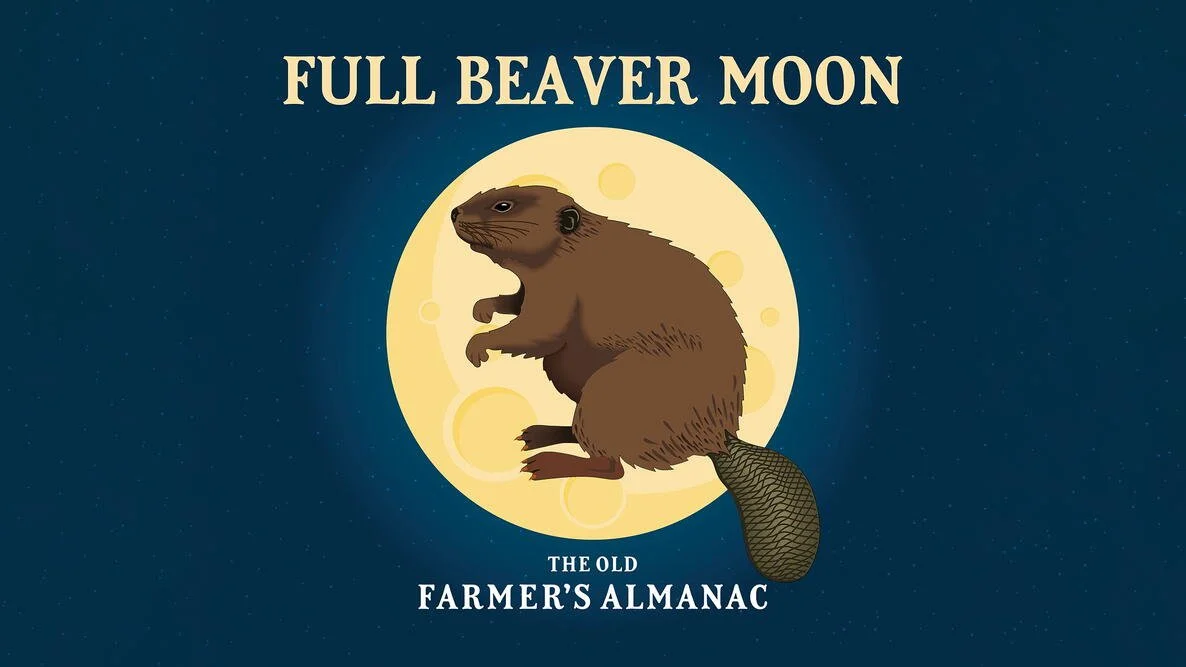
Northern Hemisphere - Beaver Moon
In the Northern Hemisphere, November’s full moon is traditionally known as the Beaver Moon, named for the time when beavers actively build dams and lodges before winter sets in. Historically, it also marked when trappers prepared for frozen waterways. This moon symbolizes preparation, foresight, and building resilient foundations.
Southern Hemisphere - Late Spring Moon
In the Southern Hemisphere, November occurs in late spring, the seasonal equivalent of May in the north. Rather than preparing for winter, ecosystems are entering a phase of growth, planting, flowering, and increasing daylight. Some Southern Hemisphere seasonal frameworks reinterpret this moon around themes of planting and abundance, reflecting spring agricultural cycles rather than dormancy.
Our November Moon Water Mist helps you honor both preparation and flourishing, gathering strength and tapping into forward momentum.
October’s Hunter’s Moon
Learn about the full moon in October: October’s Hunter’s Moon
Full Moon in October
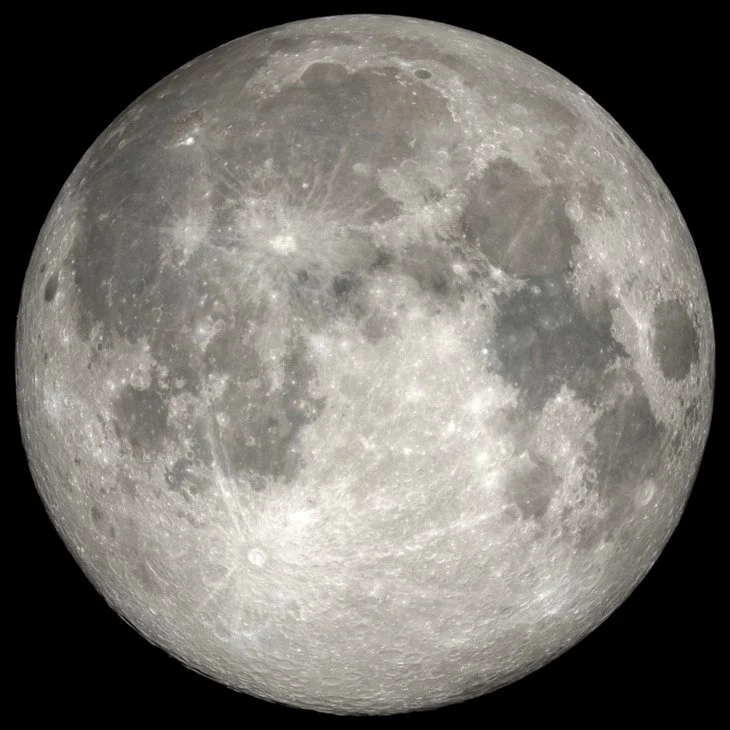
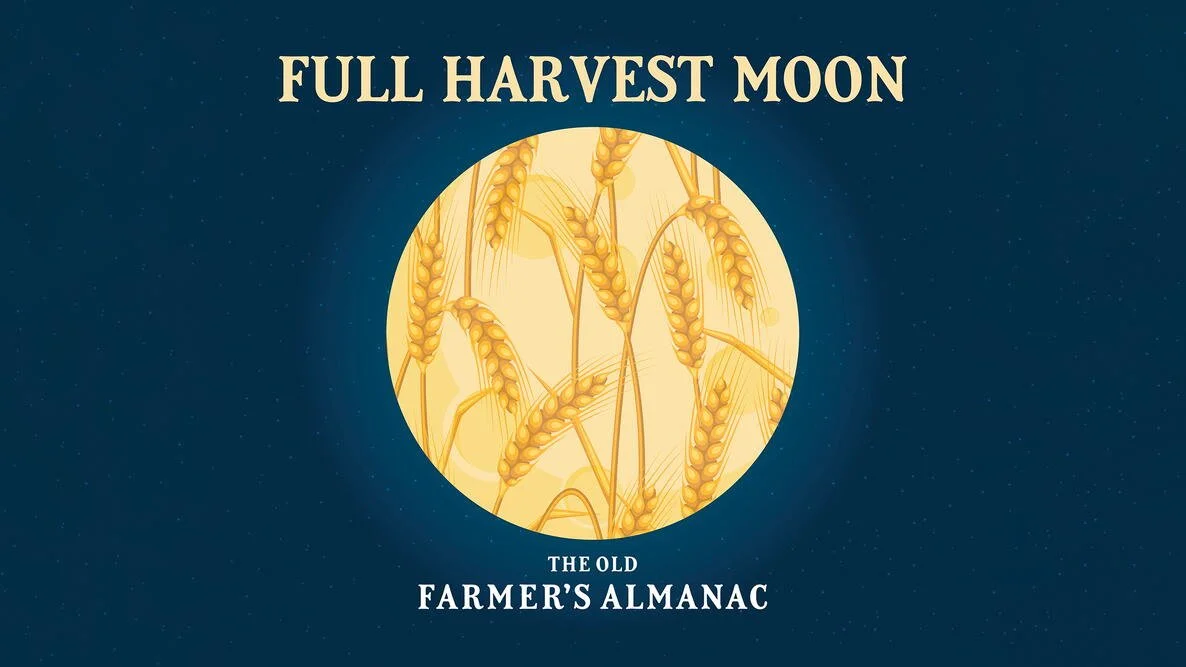
Northern Hemisphere - Harvest / Hunter’s Moon
Traditionally named for the time of preparation and tracking, when animals are most visible and fields lie open after harvest, this moon encourages setting intentions rooted in foresight, gratitude, and readiness.
Southern Hemisphere - Spring / Renewal Moon
As October ushers in spring south of the equator, this full moon aligns with themes of blooming life, new beginnings, and growth. It is a perfect moment to refresh your intentions and cultivate what matters most.
Asian Cultural Full Moon
Across many Asian cultures, full moons this time of year are celebrated for family, reunion, prosperity, and spiritual blessings. This means mooncakes in the Mid-Autumn Festival and Kojagari/Sharada Purnima rites honoring abundance and cosmic benevolence.
Our October Moon Water Mist is formulated to help you tap into that universal lunar energy, bringing clarity, grounding, and alignment.

September’s Corn Moon
September’s Corn Moon
Full Moon in September
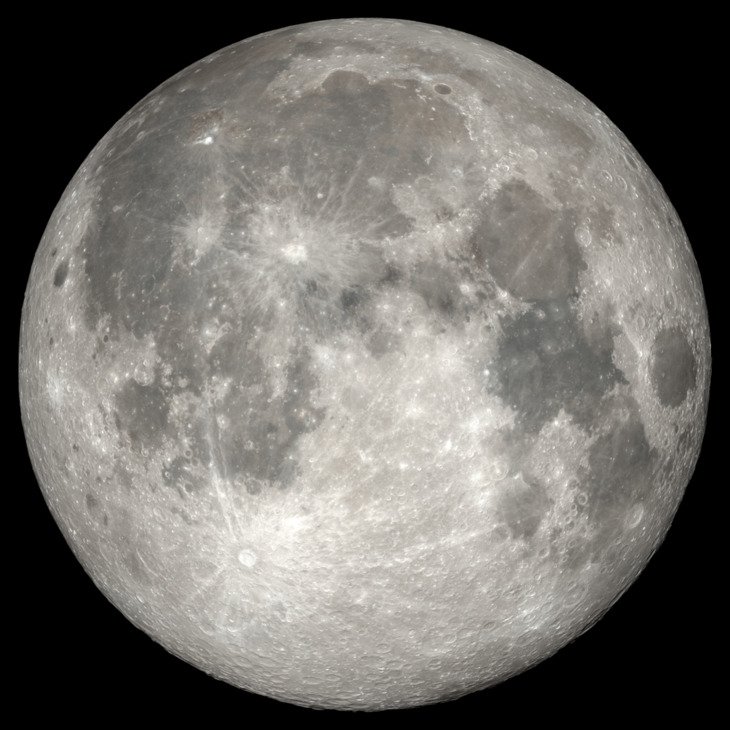
The Corn Moon corresponds with the time of harvesting corn in the northern United States. It is also the last full moon of the summer and symbolizes completion, gratitude, and reflection. Some Native American tribes called it the Child Moon or Mating Moon because it represents the time of year when young animals are weaned and animals in the deer family are mating.
moon.nasa.gov

August’s Sturgeon Moon
August’s Full Sturgeon Moon
Full Moon in August
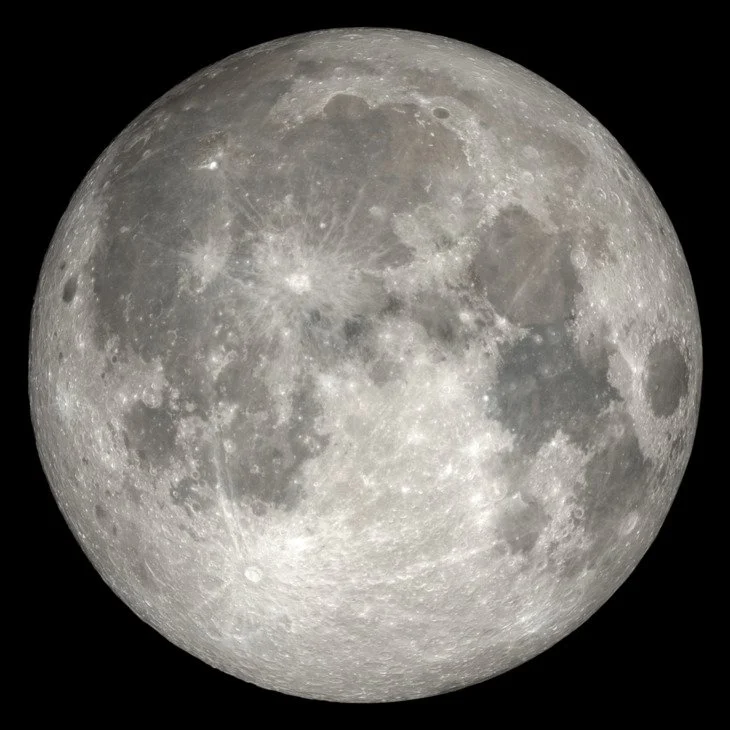
The Algonquian Native Americans named August's full moon after the giant lake sturgeon, a freshwater fish native to the Great Lakes and Lake Champlain. Sturgeon are considered "living fossils" because they have not changed much in appearance since prehistoric times. They symbolize resilience, abundance & deep reflection. They live for around 150 years. We think of them as old souls. Our Sturgeon Moon Water Mist is designed for vitality.

moon.nasa.gov